


DENTIST IN WILANÓW, WARSAW
EFP protocol – esthetics, function, posture
The name EFP comes from the words “Esthetics”, “Function” and “Posture”. Together they form a holistic approach to dental treatment. The EFP protocol is designed for patients with worn or chipped teeth, most often caused by clenching and grinding – frequently during sleep, without being aware of it. Other signs of these habits can include occasional, frequent or even migraine-type headaches. Posture problems and body asymmetry can also contribute to tooth wear through abnormal tension in the chewing muscles. The EFP protocol addresses all three aspects: esthetics, function and posture.
People who grind their teeth usually have short teeth with uneven edges, often with sensitivity to hot or cold drinks. The most visible effect is on appearance: teeth can look as small as baby teeth and out of keeping with the patient’s age. The lower part of the face (from nose to chin) can become shorter, giving an older-looking profile.
Wear affects both the front teeth – visible in a wide smile – and the back teeth, which are responsible for chewing. When worn teeth become short and flat, chewing becomes less efficient. The chewing muscles become overloaded, because the jaw remains under constant, unnatural tension during grinding. This can cause troublesome pain – for example headaches – whose source has been hard to identify. The body is a connected system, and tension in the chewing muscles can also affect the muscles of the neck, back and even the pelvis.
Posture problems are usually associated with a curved back and an unnatural stance, but the face can tell us a lot too. The tension of the facial and neck muscles and overall posture influence each other. Muscle tension most often develops on one side, which can be confirmed during a posture assessment.
The most effective response to these problems is comprehensive rehabilitative dental treatment according to the EFP approach, developed by the Italian professor Camillo D’Arcangelo.
Who is it for? Mainly patients with short, worn teeth and related pain. Diagnosis and the treatment plan are also based on imaging of the jaw joints.
Stage 1 – muscle and joint rehabilitation. Treatment starts with special CDA fixed bites, worn for about 3 months on average (check-ups after the first week, then every 2–3 weeks, as needed), which relax tense muscles and restore chewing function in its optimal position. At this stage regular work with a qualified physiotherapist/osteopath helps the muscles relax and can shorten treatment. Pain often decreases during this stage, and patients can see in follow-up photos how their posture changes as the muscles relax.
Stage 2 – rebuilding worn teeth. Once rehabilitation is complete, the worn front and back teeth are rebuilt. We discuss your expectations for shape, colour and size, and prepare a design of your future smile – a digital wax-up made by the laboratory and tried in your mouth as a mock-up (250 PLN per tooth) – so you can see and judge it in advance. The final reconstruction uses an additive technique: the already worn teeth are not drilled down, but built back up to their natural shape with composite and ceramic materials. Occlusal veneers restore worn chewing surfaces, palatal veneers rebuild the inner surfaces of upper teeth, and facial veneers lengthen worn front teeth. A dental laboratory is an essential partner in making these restorations. Direct bonding usually takes two long, full-day visits and costs from 1500 PLN per tooth.
Materials. Prof. D’Arcangelo also created Enamel Function composite, used both during rehabilitation and for the final restoration. Its wear rate matches natural enamel, which reduces the risk of uneven wear in the future.
Experience. Dr Joanna Chodorowska was the first in Poland to carry out treatment according to the full EFP protocol, under the guidance of Prof. D’Arcangelo. She was in his first course group, co-ran a study club with him for 2–3 years for dentists who had completed EFP courses, and translated and assisted at his courses in Poland.
Diagnosis. Qualification for treatment is based on a questionnaire, a detailed medical and dental history, a clinical examination of the teeth, gums, bite and jaw movements, palpation of the jaw joints and chewing and postural muscles, posture tests, intraoral, facial and postural photographs, and imaging – a panoramic X-ray, CBCT and, where needed, MRI of the jaw joints, carried out at an external imaging centre.
Possible treatment. Depending on the diagnosis: removing premature contacts by reshaping enamel; repositioning the lower jaw combined with orthodontic treatment, with prosthetic treatment, or with both.
A team approach. EFP treatment is always comprehensive and often involves several specialists: the dentist, an osteopath/physiotherapist, a dental hygienist and a dental laboratory.
Not every type of pain is related to the chewing system. Treatment results are individual and depend on the diagnosis.
EFP consultation – 500 PLN, up to 2 hours: besides the dental examination it includes a detailed assessment of the jaw joints, chewing muscles and posture. Sometimes we also make a bite block (JIG) to assess the relationship between the upper and lower jaw. The splints cost 2000 PLN and each check-up 250–450 PLN, depending on whether it is a planned adjustment or a repair. Call +48 735 967 875 to book.

Worn
teeth
Rebuilding short, worn teeth

Bruxism
Clenching and grinding
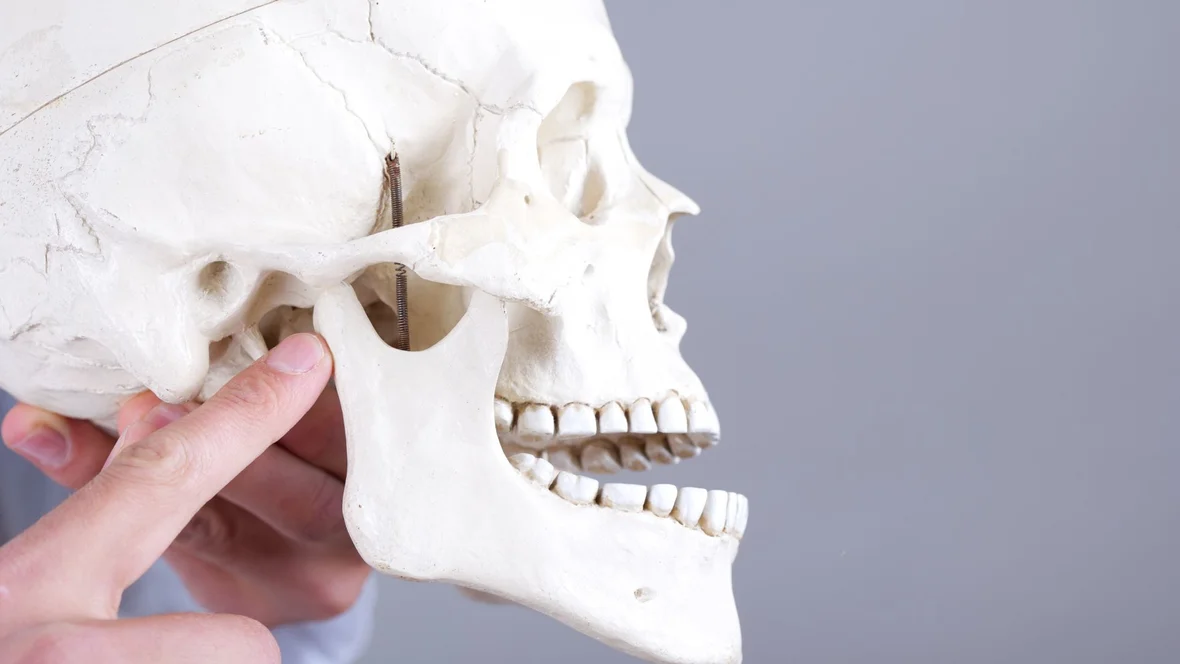
TMJ disorders
Jaw joint pain and clicking
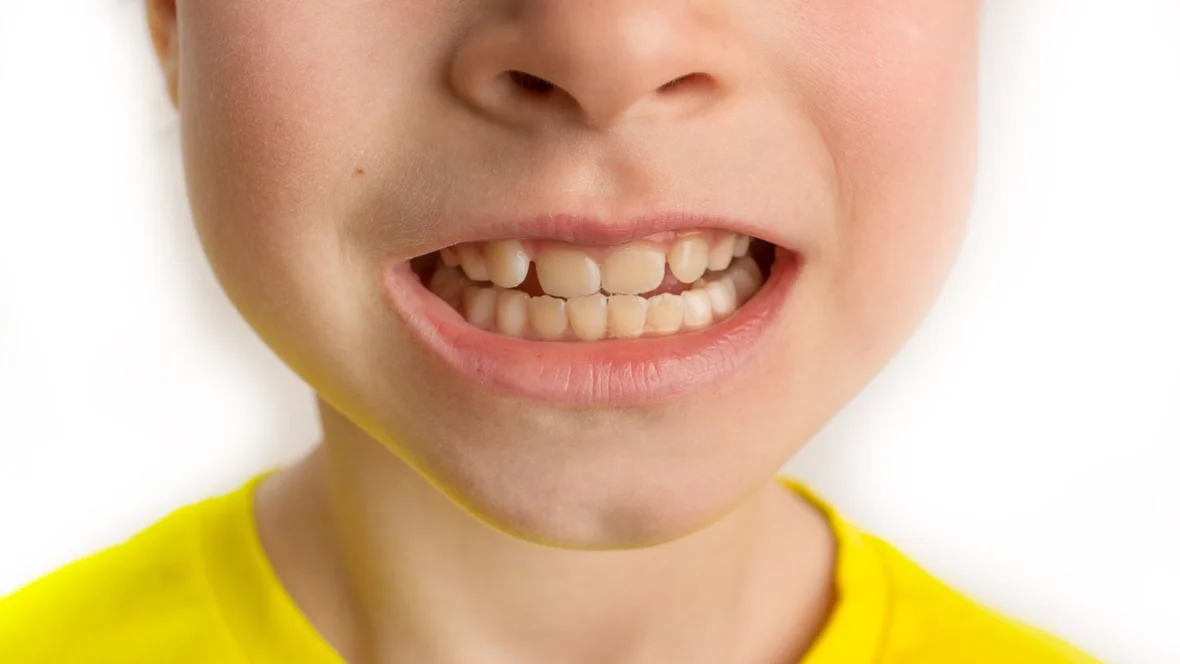
Malocclusion
Bite problems and their effects
COMPREHENSIVE TREATMENT
A single treatment is often part of a larger treatment plan. If several teeth are affected, it is best to start with a comprehensive consultation – the result is a plan with stages and costs. Prices for selected treatments are in our price list.
CONTACT
Book a visit with Dr Joanna Chodorowska
The quickest way to book is by phone: Monday–Friday, 10:00–19:00. You can also send us a WhatsApp message – we read messages during reception hours. We speak English.
